
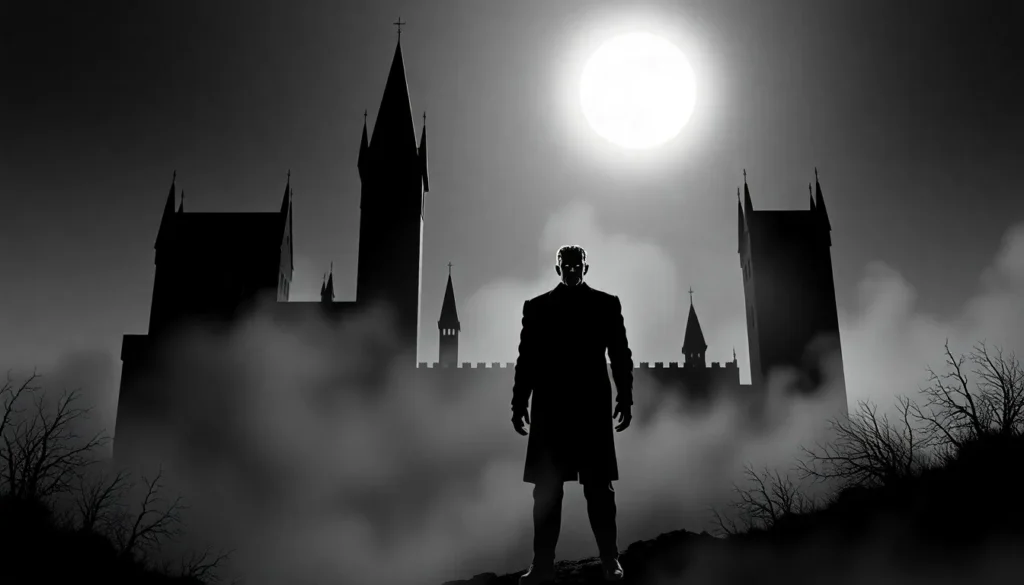
The 1930s marked a spine-tingling era in cinema where shadows danced and screams echoed through the darkened theaters. With a mix of eerie storytelling and groundbreaking special effects, this decade birthed some of the most iconic horror films that still haunt our dreams today. From the chilling moans of Frankenstein’s monster to the haunting presence of Dracula, these films didn’t just scare audiences; they defined a genre.
1930s Horror Movies
The 1930s marked a transformative period for horror cinema, with groundbreaking films like Frankenstein (1931) and Dracula (1931) leading the charge. These movies featured memorable characters who became cultural icons. Frankenstein’s monster, for instance, embodied humanity’s fears and curiosities about creation.
In this decade, filmmakers utilized innovative special effects, elevating the horror experience. Techniques such as makeup transformations and elaborate set designs created an atmospheric backdrop for chilling narratives. Universal Pictures emerged as a leader, releasing a series of classic horror films that resonated with audiences.
Not only did these films frighten viewers, but they also provoked thought and discussion about societal issues. Themes of isolation, identity, and morality often surfaced, reflecting the complexities of human nature. The juxtaposition of empathy and terror played a crucial role in captivating audiences.
Actors such as Boris Karloff and Bela Lugosi became synonymous with their roles, establishing a legacy that influences horror filmmaking today. Their performances brought depth to characters, transforming simple scripts into compelling stories. The blend of compelling acting and atmospheric soundscapes enhanced the emotional impact of these narratives.
Critics often highlight the importance of the Hays Code, which imposed restrictions on content. This code spurred filmmakers to be inventive in their storytelling, often using subtext to convey more profound messages without explicit visuals. The limitations inadvertently led to creative solutions that enriched the genre.
Overall, the horror films of the 1930s laid the groundwork for future directors and screenwriters. They inspired a generation of filmmakers who ventured into darker themes, further establishing horror as a significant genre in cinema. The decade remains etched in history as a time of innovation, creativity, and enduring influence on the art of storytelling.
Major Themes in 1930s Horror Movies
The 1930s horror movies introduced powerful themes that resonated with audiences, reflecting societal anxieties and fears.
The Supernatural
Supernatural elements dominated many films during this decade. Creatures like Dracula and Frankenstein’s monster represented the clash between life and death. These characters often embodied ancient myths and legends, tapping into cultural fears surrounding the unknown. Horror stories showcased ghosts, vampires, and monsters, reminding viewers of humanity’s long-standing fascination with the afterlife. Imagery from these films enhanced the sense of dread, with eerie settings and haunting soundtracks immersing audiences in a world filled with uncertainty. Directors creatively used shadows and lighting to emphasize the supernatural, heightening the chilling atmosphere that characterized this era’s cinematic storytelling.
Fear of the Unknown
Fear of the unknown permeated the horror genre in the 1930s. Films frequently depicted characters grappling with existential threats that challenged their understanding of reality. This theme revealed deep-seated anxieties about change and the unpredictability of life. Audiences connected with protagonists facing monstrous transformations and moral dilemmas, reflecting their own struggles with identity and society. The fear of losing control over one’s fate often sparked a visceral response, engaging viewers on a personal level. By exploring the uncertainties of the human experience, these films fostered discussions about isolation and the darker aspects of the human psyche, leaving a lasting impression that shaped future storytelling in horror.
Iconic Films of the 1930s
The 1930s saw the emergence of significant horror films that left a lasting impact on the genre. Notable works, characterized by chilling narratives and innovative visuals, became cultural milestones.
Frankenstein
Released in 1931, Frankenstein introduced audiences to the tragic figure of Frankenstein’s monster. Boris Karloff’s portrayal of the creature captured both horror and sympathy, influencing generations of filmmakers. Innovative makeup and special effects showcased the creature’s unique appearance, emphasizing themes of creation and monstrosity. The narrative explored humanity’s fear of the unknown, touching on existential questions about life and identity. Audiences resonated deeply with the ethical dilemmas surrounding unchecked ambition and scientific advancement, solidifying Frankenstein as a cornerstone of horror cinema.
Dracula
Dracula, also released in 1931, featured Bela Lugosi in the iconic role of Count Dracula. His mesmerizing performance defined the character and established a template for future vampire portrayals. Stunning cinematography and atmospheric set designs created a haunting ambiance that intensified the film’s eerie tone. The storyline examined themes of seduction and the supernatural, portraying the tension between civilization and primal instincts. This film significantly influenced popular culture, embedding the image of the vampire into the horror genre’s landscape.
The Mummy
The 1932 release of The Mummy introduced audiences to Boris Karloff in yet another memorable role. His portrayal of Imhotep brought an unsettling presence to the screen, combining elements of romance and horror. Well-crafted special effects and exotic settings enhanced the film’s mystique, transporting viewers to ancient Egypt. Themes of resurrection and immortality permeated the narrative, provoking reflections on life and death. The Mummy solidified Universal’s dominance in the horror genre, inspiring numerous adaptations and sequels, ensuring its legacy endured through decades.
Influential Directors and Actors
The 1930s featured groundbreaking talent that shaped horror cinema. Universal Pictures dominated the genre with its distinct vision and innovative storytelling.
Universal Studios
Universal Studios produced a slate of iconic horror films during the 1930s. They introduced legendary characters like Frankenstein’s monster and Dracula, driving the genre’s popularity. Innovative techniques, including advanced makeup and sound design, enhanced the chilling atmospheres of these films. Universal’s commitment to quality storytelling made it a cornerstone of horror cinema, building a legacy that persists.
Notable Performers
Actors such as Boris Karloff and Bela Lugosi delivered unforgettable performances that defined their careers. Karloff’s portrayal of Frankenstein’s monster evoked both horror and empathy, cementing his status as a horror icon. Lugosi’s depiction of Dracula established a standard for vampire portrayals, influencing countless adaptations. These performers brought depth and nuance to their characters, leaving an indelible mark on the genre and inspiring future actors.
Cinematic Techniques and Innovations
Cinematography in the 1930s horror films saw significant advancements. Filmmakers experimented with lighting techniques to create haunting shadows and enhance the eerie atmosphere. Techniques like chiaroscuro highlighted the struggle between light and dark, making scenes more visually striking and unsettling.
Sound design played a crucial role in amplifying the horror experience. The integration of synchronized sound allowed filmmakers to utilize chilling sound effects and evocative music, heightening tension during pivotal moments. Innovative soundscapes became essential in immersing audiences into the narrative’s menacing ambiance.
Makeup and special effects also evolved drastically. The use of elaborate prosthetics enabled actors to embody grotesque creatures such as Frankenstein’s monster more convincingly. This transformation catered to both the visual impact and the emotional depth of characters, eliciting empathy and fear simultaneously.
Set design contributed immensely to the overall horror aesthetic. Filmmakers crafted elaborate, atmospheric settings that reflected the psychological states of characters. The haunting castles of Dracula or the gloomy laboratories in Frankenstein established a palpable sense of dread, enhancing the storytelling.
Directors like James Whale and Tod Browning pioneered these innovations. Their visionary approaches incorporated real-world fears and societal reflections, connecting audiences to the themes portrayed onscreen. Each film became a commentary on the human condition, influenced by contemporary anxieties.
Universal Pictures capitalized on these techniques, solidifying its reputation as a leader in horror cinema. Their commitment to quality visual and sound storytelling resulted in timeless classics that still resonate with modern audiences. The 1930s not only marked a turning point for cinematic techniques but also established a framework that future filmmakers would build upon for generations to come.
Conclusion
The horror films of the 1930s established a legacy that continues to resonate in modern cinema. With groundbreaking storytelling and unforgettable characters, this decade pushed the boundaries of creativity and innovation. The themes explored in these films not only entertained but also provoked deeper reflections on human nature and societal fears.
As audiences continue to embrace horror, the influence of the 1930s remains undeniable. Iconic performances and pioneering techniques have shaped the genre, inspiring filmmakers to explore the darker aspects of humanity. The era’s contributions ensure that these classic films will endure, captivating new generations and solidifying their place in cinematic history.