
You finally mount that gorgeous, razor-thin 4K television on the wall. The picture is stunning, but the moment you press play on a movie, the dialogue is muffled, and the action scenes lack punch. This is a common frustration for homeowners. Simply put, as modern TVs become thinner, their built-in audio quality steeply declines. Without physical space for adequate speakers, upgrading your external audio is no longer an option, it is an absolute necessity.
Consumers recognize this shift. The overall home audio market is expected to reach $43.2 billion in 2026. This massive growth reflects a strong demand for viewing and gaming experiences that match the visual quality of modern displays. Yet, when you start shopping for a solution, you face an immediate dilemma. Do you choose the sleek, minimalist appeal of a soundbar, or do you invest in the immersive, dedicated power of an Audio/Video (AV) receiver?
Soundbars vs. AV Receivers
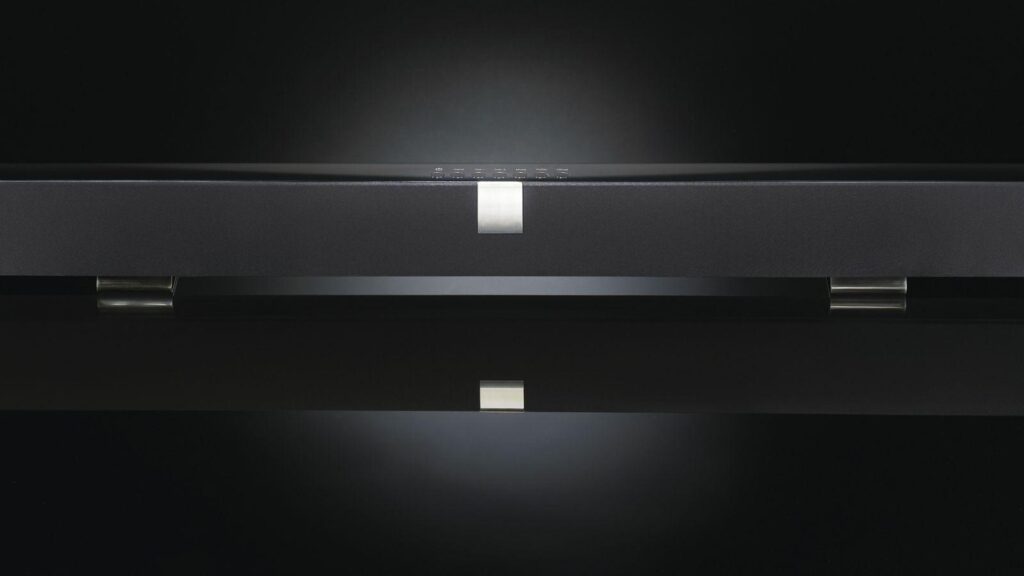
Soundbars are all-in-one audio systems designed for convenience. You plug them into a power outlet, run a single cable to your television, and have instant sound. This simplicity is highly appealing, particularly in smaller spaces where a full speaker setup may not be practical. The wireless soundbar market is also projected to reach $6.0 billion in 2026, reflecting continued demand for compact audio solutions and minimalist home entertainment setups.
While soundbars can work well in small apartments or secondary bedrooms, they have limitations as room size and listening demands increase. Medium-to-large or open-concept living rooms in Dallas, for example, can make it difficult for an all-in-one bar to create the same sense of separation and directional sound as individually positioned speakers.
For homeowners looking to build a more immersive system, home theater receivers in Dallas can serve as the central component of a dedicated audio setup. A receiver processes and distributes audio to multiple speakers, allowing each channel to be positioned around the room for a more defined and spacious listening experience. The system can then be configured around the room’s layout, seating position, and acoustic characteristics rather than relying on a single soundbar for all audio output.
To help visualize the baseline differences, consider this quick comparison:
|
Feature |
Soundbars |
AV Receivers |
|
Design |
All-in-one, slim profile |
Modular, requires separate speakers |
|
Installation |
Plug-and-play, minimal wires |
Requires speaker wiring and placement |
|
Best Room Type |
Small, enclosed, flat ceilings |
Large, open-concept, custom acoustics |
|
Audio Separation |
Virtualized (simulated) |
True discrete physical channels |
|
Longevity |
Replaced entirely when outdated |
Upgradeable components over time |
How Room Dimensions and Layout Dictate Your Choice
Evaluating your specific space is the most practical first step in your audio journey. You cannot outspend bad physics.
Small and Enclosed Spaces
Small, enclosed rooms with four distinct walls are the perfect environment for a soundbar. These all-in-one units rely heavily on bouncing audio signals off nearby, symmetrical surfaces to simulate a surround sound experience. If the walls are close enough, the acoustic trickery works quite well.
A minimal footprint is usually the top priority in these spaces. The sleek design of a soundbar mounts easily below a television or sits quietly on a media console, saving valuable floor space.
You might think that putting a massive, high-powered AV setup in a tiny room guarantees better sound. Without proper acoustic treatment, a massive speaker system in a small room actually results in overpowering, muddy audio. The sound waves crash into each other too quickly, creating echoes that ruin dialogue clarity.
Medium-to-Large and Open-Concept Rooms
The architectural trends of modern homes favor large, open-concept living spaces. These beautiful rooms pose a massive challenge for audio. When a room lacks side walls or features a completely open layout flowing into a kitchen, the virtualized audio of a soundbar simply dissipates. The result is weak bass, thin music, and unclear dialogue.
This is exactly why custom Dallas installers and AV receivers remain highly relevant in premium homes where room design, in-wall speakers, and acoustics shape the entire system. You cannot trick the ear if the sound has nothing to bounce off.
The provider of AV receivers in Dallas solves this problem perfectly. It allows physical speakers to be placed at optimal distances and angles around the seating area. Whether you mount speakers in the ceiling, place them on stands, or build them into the walls, an AV receiver ensures consistent audio coverage regardless of the room’s open layout.
Setup Complexity, Control, and Future-Proofing
One of the biggest hurdles homeowners face when considering an AV receiver is the fear of clutter. The thought of tangled wires, bulky equipment, and needing five different remote controls is enough to push anyone toward a simple soundbar.
Thankfully, the industry has evolved. Modern AV receivers act as centralized, intelligent hubs for all your devices. Instead of plugging your gaming console, streaming box, and cable box into the television, you plug them all directly into the receiver. The receiver handles all the multi-source switching, seamlessly passing pristine 4K and HDR video to the screen while processing the high-fidelity audio.
The ease of use is also vastly improved. You do not need a basket full of remotes. Premium AV setups can be seamlessly controlled via intuitive smartphone apps. They also integrate easily into broader home automation systems, allowing you to turn on the TV, dim the lights, and set the perfect volume with a single button press.
Finally, consider the long-term value of your investment. Soundbars are essentially disposable technology. If the wireless subwoofer breaks or the internal software becomes outdated in five years, you have to throw the entire unit away and buy a new one.
AV receivers offer modular future-proofing. If a new video format releases next decade, you can simply upgrade the receiver box while keeping your high-quality physical speakers untouched. You can upgrade individual components over time, making a custom system a far smarter long-term financial decision.
Conclusion
Choosing between a soundbar and an AV receiver is rarely about which technology is inherently better. It is about matching the technology to the physical realities of your home.
While soundbars offer unmatched convenience and space-saving designs for small, enclosed spaces, they simply cannot defy physics in medium-to-large or open-concept rooms. Achieving genuine, cinema-grade audio requires physical speaker separation, dedicated power, and precise room calibration.
Before you buy your next audio setup, take a hard look at your living space. Prioritize your room’s dimensions and acoustics, and you will ensure your home theater sounds exactly as the director intended.