
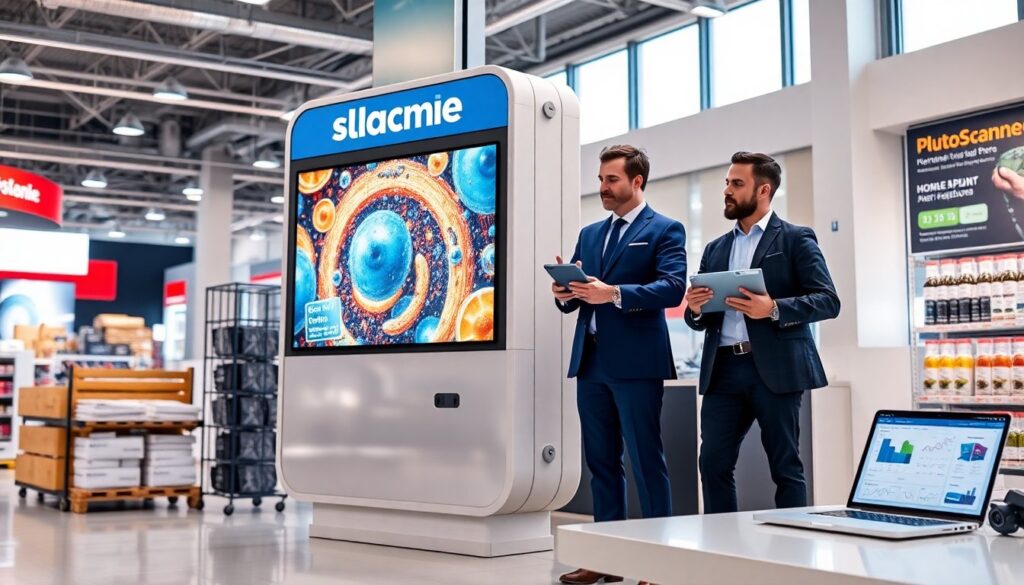
The bespoke led kiosk plutoscranner offers a flexible display for retail and events. It provides high-brightness LED panels, modular frames, and configurable software. The product lets teams change content, lighting, and interaction quickly. Buyers get a unit that fits venue needs and brand guidelines. The device arrives with clear setup steps and a service plan.
Key Takeaways
- The bespoke led kiosk plutoscranner features modular design and high-brightness LED panels that adapt to diverse retail and event settings.
- Its pixel-dense LED matrix and tunable lighting zones enhance visibility and enable dynamic promotional displays across various venues.
- The plutoscranner supports multiple input sources and interactive overlays, facilitating versatile content including live feeds and touch engagement.
- Content management is streamlined through templates, an API for real-time updates, and role-based access to maintain brand consistency across locations.
- Built-in analytics track audience interaction and support A/B testing to optimize content effectiveness and conversion rates.
- Comprehensive installation support and tiered service plans ensure reliable operation, with warranties and local technician training to maintain kiosk performance.
What Makes The PlutoScanner LED Kiosk Truly Bespoke
The bespoke led kiosk plutoscranner combines modular hardware, flexible lighting, and open software. It ships with interchangeable faceplates and frame sections. Installers swap panels without special tools. The kiosk supports multiple screen sizes and curved assemblies. Designers match finishes to brand palettes.
The plutoscranner uses a pixel-dense LED matrix. The matrix delivers uniform color and high brightness outdoors and indoors. The unit adapts to retail aisles, trade show booths, and pop-up spaces. Retail teams program product loops. Event staff display schedules and sponsor content.
The plutoscranner accepts custom input sources. It supports HDMI, SDI, and network streams. The unit handles video, image, and live feeds. It also supports interactive overlays and touch film. Integrators add cameras or RFID for measured engagement.
The kiosk includes content templates and an API. Marketers use templates to build campaigns fast. Developers push content through the API for real-time updates. The company offers professional design services for brand owners who prefer help. The result stays consistent across multiple kiosks and locations.
Core Hardware, Lighting, And Software Features To Tailor Your Experience
The kiosk uses high-efficiency LED modules. Technicians replace modules individually. The power system includes redundant supplies to reduce downtime. The cabinet uses cooled air channels and sensor-based fans. The system maintains temperature and extends LED life.
Lighting options include warm, neutral, and cool white tunable LEDs. Lighting zones allow local dimming around product shelves. The plutoscranner supports programmable color zones for promotions. Event teams schedule color shifts to match show segments.
The touchscreen option uses projected capacitive film. Users touch without gloves. The surface resists scratches and reduces glare. The kiosk supports multi-touch gestures and gesture libraries for common actions.
Software includes a content management system with role-based access. Administrators assign regional editors to manage local campaigns. The CMS supports playlists, scheduling, and conditional triggers. Teams push updates over secure networks. The system logs playback and reports playback metrics.
The plutoscranner integrates analytics modules. It counts passerby and logs dwell time. The kiosk can run A/B tests for creative and measure conversion lift. Teams export CSV and connect to business intelligence tools. The analytics help refine content and placement.
Developers use SDKs for custom apps. The platform accepts HTML5, native apps, and streaming services. The device updates firmware over the air. The vendor releases security patches and feature updates on a scheduled cadence.
Ideal Use Cases, Installation Considerations, And Support Options
Retailers place the bespoke led kiosk plutoscranner in storefront windows, checkout islands, and experience centers. The kiosk invites shoppers to learn about products and promotions. Brands use it to run loyalty sign-ups and demo videos. Pop-up organizers mount units at entrances to show schedules and maps.
Event producers deploy plutoscanners at registration desks and stages. The kiosks show session times, sponsor ads, and live social feeds. Wayfinding setups use multiple kiosks linked to a central server. The plutoscanner adapts to indoor halls and covered outdoor plazas.
Installers check site power, network, and floor load before delivery. The vendor supplies a site-survey checklist. Teams confirm 120V or 240V feeds and verify UPS needs. Network options include wired, LTE backup, and private VPN. Installers anchor floor units with included brackets and use tamper screws when needed.
The vendor offers three support tiers. The basic plan covers phone support and firmware updates. The pro plan adds scheduled on-site service and spare parts. The enterprise plan includes priority response, custom SLAs, and a dedicated account manager. Customers choose the plan that matches uptime goals.
Warranty covers LED modules and electronics for a defined period. The vendor publishes mean time between failures for core components. Service partners train local technicians and provide replacement kits. Field teams replace modules, recalibrate color, and test content playback during routine maintenance.
The company provides integration guides and sample code. Developers follow step-by-step instructions to connect sensors, cameras, and payment terminals. The vendor certifies partners for complex integrations and offers project management for large rollouts.