
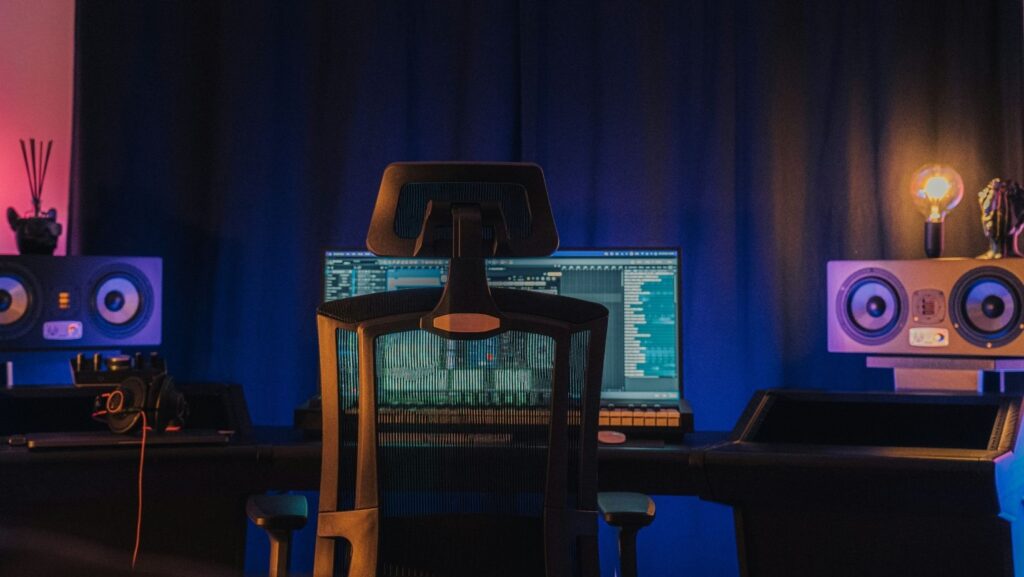
Visual content often appears to carry the story on its own, yet the moment sound is removed from a video, animation, or trailer, the entire experience feels flatter and less engaging because sound gives structure, timing, and emotional weight to what the viewer sees on screen. Editors and motion designers understand that strong visuals and well-placed sound design work together to guide attention, emphasize movement, and make transitions feel intentional instead of abrupt.
When sound is aligned with movement, cuts, and transitions, the viewer does not consciously notice the sound itself, yet they feel the result because the visual sequence suddenly feels smoother, stronger, and more connected from one scene to the next. This connection between image and sound is especially important in trailers, motion graphics, promotional videos, and digital content where timing and impact determine how professional and engaging a project feels.
Sound and visual impact in digital content
Digital content is built around movement, timing, and transitions, and sound helps define all three because it provides cues that signal when something important is happening on screen. A transition between scenes feels more intentional when supported by a low impact hit, and a text reveal feels more dramatic when paired with a short cinematic boom that matches the movement of the animation.
Editors often rely on boom sound effects to reinforce these transitions, reveals, and dramatic cuts because these deep impact sounds add weight to visual moments that need emphasis, and without that low frequency hit, a title reveal, logo animation, or scene change often feels visually correct but emotionally weak. The sound gives the visual moment a physical feeling, almost like the image has mass and movement instead of just appearing on screen.
Viewers respond strongly to low frequency sounds because these sounds are felt as much as they are heard, which is why deep impact sounds are often used in trailers, action scenes, product reveals, and cinematic edits where a strong emotional reaction is important. Even subtle low frequency hits can make a transition feel smoother and more professional, especially in motion graphics where movement alone sometimes lacks weight.
Where impact sounds are used in modern editing
Editors use impact sounds in many different types of productions because transitions and visual emphasis appear in almost every form of digital content, from film trailers and advertisements to YouTube videos and UI animations. Impact sounds are not limited to action scenes or dramatic films, since they are also widely used in corporate videos, product launches, and social media content where visual transitions need structure and clarity.
Trailer editing and dramatic reveals
Trailer editing relies heavily on sound to control tension, timing, and impact because the editor needs to guide the viewer through fast cuts, dramatic moments, and title reveals while keeping the story clear and engaging. Deep impact hits are often placed on scene changes, title cards, and dramatic visual moments so that each important moment feels intentional and powerful instead of just another cut in the timeline.
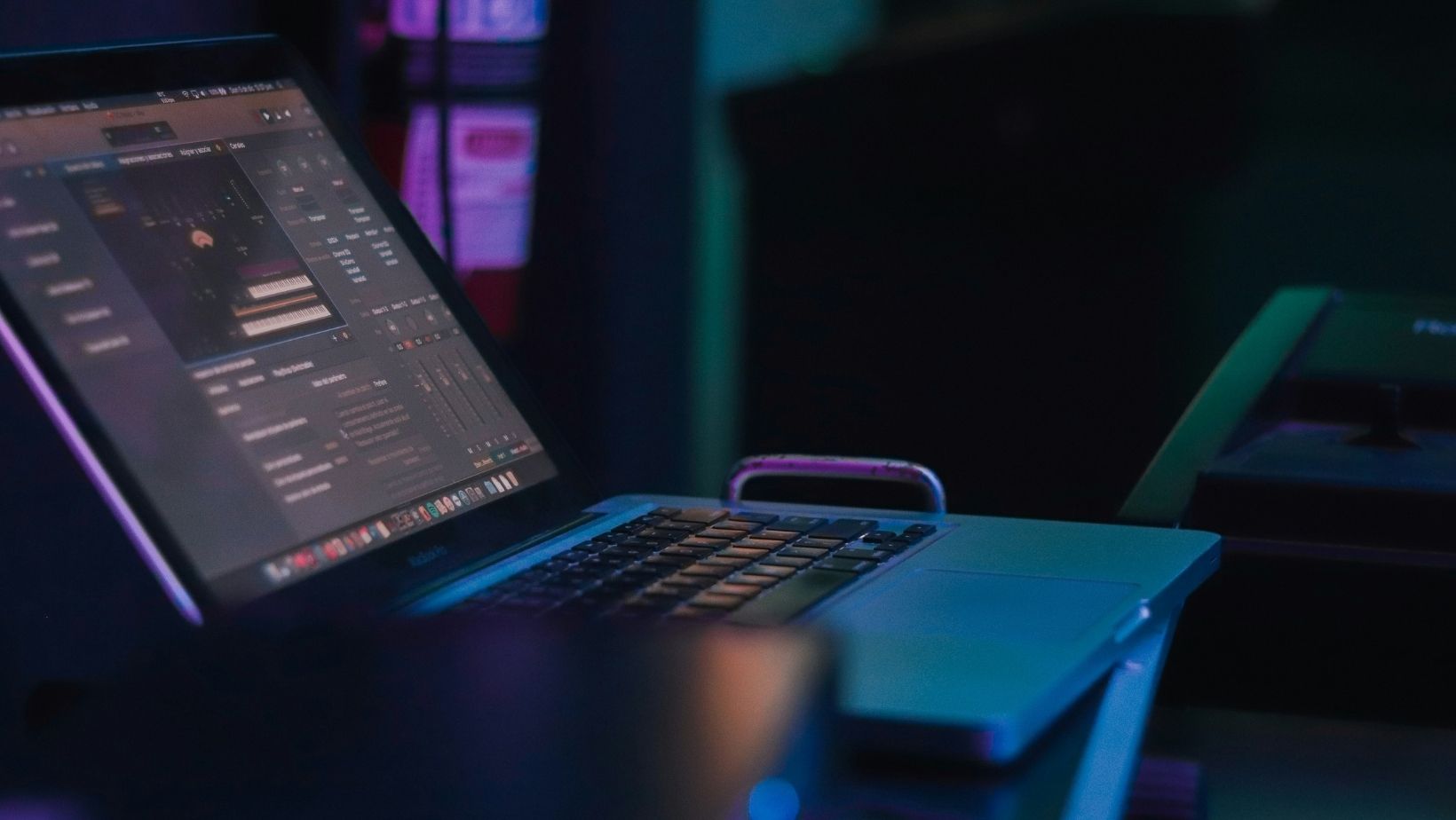
Large cinematic hits are often layered with sub bass, metal impacts, and low rumbles so that the sound feels full and cinematic without overpowering dialogue or music, and this layering technique is common in trailer editing where every visual change needs a strong sense of timing and emphasis.
Motion graphics and transitions
Motion graphics rely on movement and transitions, and sound helps define that movement because a logo reveal, text animation, or interface transition feels more natural when supported by a short impact or low frequency hit. Designers often use short impacts for quick transitions and longer booms for large reveals, depending on the size and speed of the animation.
In interface animations, presentation videos, and promotional content, these impact sounds help guide the viewer through the visual sequence because sound signals when a new section begins, when text appears, or when an important visual element enters the screen.
Building stronger edits with low frequency sound design
Low frequency sound design elements, such as boom sounds, play an important role in making edits feel cinematic because deep sounds create a sense of scale and movement that higher frequency sounds cannot achieve on their own. Editors often layer impacts with sub bass, rumbles, and texture sounds so that the impact feels wide and powerful instead of short and empty.
Layered boom sounds that include an initial hit, a low frequency tail, and sometimes a textured layer like a metal impact or reversed sound are common in editing because they make transitions feel dynamic and full. The tail of the sound is especially important because it fills the space between scenes and prevents the edit from feeling empty or abrupt.
Timing is also critical when using impact sounds because the sound should land exactly on the visual cut, reveal, or movement, otherwise the sound feels disconnected from the visual action. Precise timing makes the visual and sound feel like one event instead of two separate elements.
Sound libraries and production workflow
Modern editing workflows move quickly, and editors often rely on curated sound libraries so they can find the right impact sound without spending hours designing sounds from scratch. A well-organized collection of cinematic impacts, transitions, textures, and hits allows editors to work faster while maintaining consistent sound quality across different projects.
Using a dedicated sound library also ensures that the sounds are properly mixed and balanced, which saves time during editing and mixing because the sounds already fit well with music and dialogue. This is especially useful in fast production environments where deadlines are tight and editors need reliable sound assets that work immediately.
Some creators use specialized libraries such as those from Ocular, which focus on cinematic impacts, transitions, and deep boom sounds designed specifically for trailers, motion graphics, and digital content, allowing editors to quickly add depth and impact to their visuals without complex sound design work.
Conclusion
Visual content and sound design are closely connected because sound gives movement weight, transitions structure, and dramatic moments their emotional impact, and without sound many visual sequences feel incomplete even if the editing and animation are technically correct. Impact sounds, low frequency hits, and cinematic booms help guide the viewer through a visual story by emphasizing transitions and reinforcing important visual moments.
Editors, motion designers, and content creators who understand this relationship between visuals and sound can create stronger and more engaging content because they are not just showing images on screen but building a complete audiovisual experience where image and sound work together as one.