
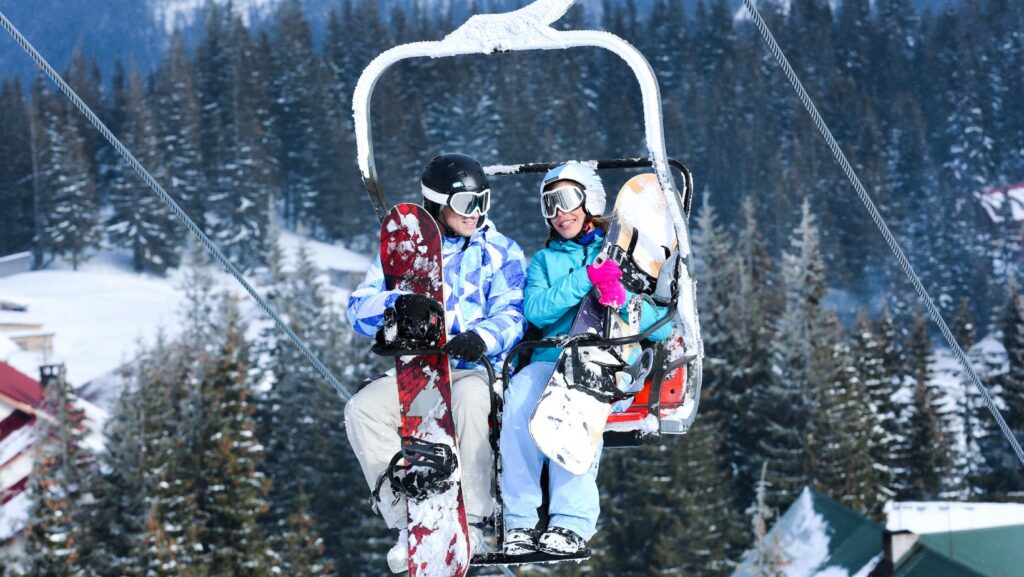
Corporate ski trips aren’t purely about skiing they’re about image, connections, and relationship building. Corporations use such employee engagement opportunities to boost morale, support recognition efforts and impress business partners, while simultaneously creating an atmosphere that champions the company’s image. From a luxurious ski-in/ski-out chalet to an impressive post-ski dining venue, it seems everything is taken into careful consideration. However, one of the most important (and most overlooked) elements is the airport transfer. How a corporate team or how clients arrive from the airport to the hotel or resort sets the tone for the entire trip and making the wrong decision may lead to a world of stress at a juncture of travel that shouldn’t even be the focal point.
The Importance of Transfers in Corporate Ski Trips
As the first part of the journey for corporate groups, the transfer is everything. After a long flight, the last thing people want to do is sit in crowded airport lobbies or squashed in cars. Executives, clients, and employees understand the value of comfortable, professional, and efficient experiences. When a transfer goes smoothly, it shows that all the little details have been taken into consideration and this trip will be a success. When a transfer is poorly orchestrated or full of delays and unnecessary add-ons, it shortchanges the expense put into the rest of the holiday.
For example, let’s say you and a group of clients are coming into Geneva for a trip to Courchevel. It will not reflect well on the company hosting this excursion if the transfer is chaos—long waits, excessive stops. Transfers from Geneva to Megève ski resort illustrate how a seamless, well-organized journey can set the right impression from the very beginning. Yet if someone is waiting with a sign who professionally ushers your group immediately into a private vehicle to get directly to the resort, people have already been impressed before they’ve even put their gear down. Transfers can truly set the tone for effective corporate hospitality.
Why Private Transfers are Most Popular for Corporate Groups
Private transfers are the most sought-after transfers for corporate ski trips because they save time, hassle and create an exclusive atmosphere that appeals to corporate sensibilities. With shared transfers, there requires additional waiting in the airport for others and stopping at other resorts on the way. For private transfers, the vehicle is booked solely for the use of one group, meaning they can continue their discussions or introductions if that’s what’s needed to break the ice from the flight.
For example, if a corporate team lands in Lyon and heads to Les Deux Alpes, a private coach ensures that all members get to where they need to go when they need to get there. This is critical for team identity; arriving at disparate times or needing to catch up adds confusion and disjointedness to what should be a seamless experience. For smaller executive teams, luxury vans or even high-end personal vehicles are available for time-sensitive travel that still maintains privacy and personal space. Thus, with time being of the essence for business opportunities, private transfers beat shared options every time.
Why Luxury Transfers Leave the most Impression on Clients
When clients are involved, anything less than a luxury transfer would reflect poorly on your company. Luxury private transfers include luxury vehicles, highly trained drivers, Wi-Fi, refreshments in the car or concierge-type offerings en route. Whatever the situation, it only reinforces the impression that this is a company that knows how to give and pay attention to detail.
For example, the Geneva Courchevel transfer is approximately three hours. This could be a three-hour car ride to take out a client across town, but with a luxury vehicle, it’s three hours of an employee ultimately behind the wheel to catch up on sleep if the ski slopes were worth the trip or a bit of catch up work to keep them focused for their next destination. Additionally, the driver meets them curbside at baggage claim and manages all luggage, getting the group successfully through the mountain pass. For a company competing to keep its clients or investors happy and coming back for more, it pays in brand perception and trust if there are high expenses dedicated to presenting this well in addition to how well the skiing went. Thus, it becomes part of hospitality and not just another journey.
Why Shared Transfers Are Inappropriate For Corporate Travel Groups
Shared transfers may be acceptable for employees traveling solo and independently throughout the region; however, such services rarely meet the standards required for corporate group travel or travel with high-profile guests. Shared services require waiting for other passengers, shared transportation and stops along the way. Inevitably this lack of flexibility is not compatible with scheduled corporate itineraries of jam-packed days with pre-planned meetings or evening gatherings.
For instance, a transfer from Zurich to St. Moritz will inevitably take hours if a company needs a shared service. Instead of taking an hour and a half to get directly from point A to point B for a team arriving at their destination late morning, they will encounter thousands of others attempting to get dropped off at other resorts along the way collecting (and dropping) passengers en route effectively all day. This is time wasted and misrepresented when had special considerations been made. While shared transfers may save money, they ultimately become unprofessional and underserved; thus, they are not suitable for corporate travel with high-profile travelers.
Cost Versus Value for Corporate Budgets
Corporate travel budgets range, and therefore, decision-makers must consider cost versus value. However, in the example of shared transfers versus private arrangements, the distance in the corporate ski trip budget flight, accommodations, and even lift passes makes the difference less distinguishable. The extra cost of a private transfer or a luxury transfer is a small percentage of an entire budgeted trip in addition to what it costs per person. Still, the value of professionalism and efficiency over time equate to vastly different success levels.
For instance, one company is taking twenty employees on a ski incentive trip for them to work on skills while enjoying time on the slopes. They fly into Lyon and transfer to Les Deux Alpes for the duration of their ski excursion. Charters operate at a higher cost than shared service purchases by the seat; however, the time saved, connection of travel, and professionalism factor that projects this as a cohesive unit are worth the higher price tag. Corporate trips should always emphasize value instead of numbers.
Group Size Plays a Role in Transfer Selection
The safest option for a transfer strictly depends on group size. A smaller group would mean executives or important VIP clients would want either luxury cars or minibuses that accommodate smaller passenger numbers for more privacy and comfort. Conversely, if a large corporate group requires transportation, private coaches work better since they accommodate twenty to forty passengers.
For example, a corporate ski team-building trip of thirty employees is flying into Milan’s Malpensa Airport en route to Cervinia. A private coach ensures that everyone stays together and facilitates no one getting lost. Team-building happens through camaraderie developed on a bus, where all are going in the same direction at the same time, during their ski trip. If mixed arrivals, departures or vehicles are chosen, the coach makes everyone susceptible to missing connections or shuttles if reunions do not occur as planned. Choosing a vehicle size based on group size ensures both efficiency and comfort.
Schedule Flexibility and Corporate Reliability
Corporate ski trips have set schedules from activities to meetings to dinners. Transfers need to be flexible. Private services grant the ability for a company to shift departure times, wait for stragglers, and move as a group towards its intended destination on schedule. Shared transfers, with their set departure times, do not offer such flexibility.
For instance, if a corporate team is flying into Geneva with a late arrival and requires to get to Chamonix that evening, they will need a private transfer to get their group moving right away. Shared services may not run at that hour, forcing the group to book additional accommodation in Geneva or wait until morning for the 8AM shared transfer. The cost of shared services, in this case, is not worth the money saved in the beginning.
Reliability and Safety
Reliability and safety are expected for corporate travelers. Roads going from airport to resort across the Alps may not always be predictable. Snowstorms, ice, traffic these all add complications and dangers to drivers on these trips. Professional drivers trained on alpine roads, vehicles equipped for weather and conditions with snow tires and chains, and full coverage to account for any accidents or mishaps. This is critical information only reliable private transfer companies can provide. Less reputable companies that charge less may not have the regulations met as required.
For example, if a corporate retreat departs Zurich to St. Moritz during a snowstorm, the level of safety and professionalism provided by a driver ultimately matters as much as the chalet amenities in St. Moritz. Companies with clients or high-level executives cannot risk reputational damage if their passengers arrive late or in an unsafe vehicle. Reliable transfers ensure that those who travel experience a rejuvenated first few moments of their trip rather than a depleted one from stress or fatigue.
Transfers as Part of the Overarching Corporate Experience
The best corporate ski trips come together with an air of polish and seamlessness. Transfers should not be viewed as an ancillary part of the experience but instead, one of a few integrated elements. For some firms, transfers act as an informal networking opportunity, team-bonding experience, or introductions on the way to the main event. When in a private vehicle together, casual conversation can break the ice from the outset, paving the way for collaborative atmospheres and connections.

For example, if a corporate trip has a group transfer from Lyon to Val d’Isère by private coach, it’s not uncommon for the two-hour trip to facilitate a meeting agenda inception, an employee introduction or client welcome. Time is certainly not wasted it’s a continuation of the corporate experience. Thus, when capitalizing on all aspects of a corporate ski trip not just those outlined in the final schedule companies get more for their money.
Cost Versus Value of Luxury and Private Transfers
Cost is critical when focusing on corporate ski trip transfers. Standard private transfers mean reasonable price estimates, professionalism and comfort in a secure and efficient transfer option. Luxury vehicles boast additional comfort and amenities for a premium price, which could be appropriate for certain trips or not.
Luxury vehicles mean enhanced interiors, refreshments, possibly video conference capabilities and more to maintain a certain brand value and image while transporting key clients. However, luxury vehicles may not always be necessary; many times, an internal team-building trip can get away with a private coach without compromising professionalism or value.
The Sustainability Factor
Finally, from a sustainability perspective, it’s valuable to note what transfer options are available to ensure environmental awareness. Shared transfers may not work for very large groups. Still, many private transfer providers boast environmentally-friendly options hybrid vehicles, minibuses with better mileage on guests per person, even carbon offset programs.
Choosing greener options helps reduce the impact of travel and impresses upon executives that the company operates with sustainable values especially important for companies that want to showcase their environmental concerns. When transfers are tied to other sustainability goals for the project at hand, it’s imperative that action follows suit to validate responsible business operations at all levels of the transfer.
Conclusion for Corporate Ski Transfer Solutions
Ultimately, a corporate ski trip is best serviced by private transfers and this includes private luxury or standard versions. The level of exclusivity and professionalism, combined with flexible options and safety protocols, warrants this component over any shared service offering. Luxury transfers boast a professional first impression for an elite approach to any client entertainment opportunity, while private coaches eliminate the unknown and create time efficiency for larger groups while keeping everyone on the same page literally and figuratively.
Ultimately, the transfer will set the tone for the holiday. When a company overextends itself and secures the best option possible, it shows its commitment to quality, detail-oriented practices, and respect for its party’s guests. Whether you’re traveling from Geneva to Courchevel, Lyon to Les Deux Alpes or Zurich to St. Moritz, the transfer is as important as the chalet you choose or the slopes you’ll traverse and when it’s done effectively, it’s assured that such a trip will begin with professionalism, comfort and confidence.